


EmailTooltester is supported by readers like you. When you purchase through our links, we may earn a commission that helps keep our reviews independent and free.
Choosing the right newsletter platform is an art – I should know, I’ve been through a few of them in my time. I know how hard it is to compare all the available options and decide which features you need the most.
If you’ve done your due diligence, you’ve probably come across Kit (formerly Convertkit) and Beehiiv. They’re both popular picks and are often pitted against each other thanks to their suite of creator-friendly features (a comparison that neither tool exactly shies away from!).
So what's the deal with these two?
Kit was built with creators in mind. It offers robust email marketing tools and automation to help you grow your audience. Many bloggers, podcasters, and online course creators swear by it.
Beehiiv is relatively new in comparison. It was launched in 2021 by early employees of the Morning Brew newsletter, and in recent years have made a big push into giving newsletter creators all the tools they need to grow and monetize their newsletters, in one central place.
Today, I’m sitting these two tools side-by-side and comparing their features, pricing, and ease of use. I’ll award a point to the winner of each category, so by the end you’ll have a good idea of which tool might be the best for you.
Beehiiv vs Kit: Summary
- Kit and Beehiiv are both solid choices if you want an easy-to-use platform with a straightforward email editor for sending regular newsletters.
- Kit stands out when it comes to automation and selling digital products. It offers more advanced options for creating sequences, segmenting your audience, and setting up sales funnels.
- Beehiiv, on the other hand, shines with its built-in monetization and growth tools, and its AI-powered website builder that lets you build a home for your content (similar to a Substack publication).
- Both offer free plans that let you send unlimited emails; however, Kit's has a more generous limit of 10,000 subscribers vs Beehiiv's 2,500. It's also possible to sell subscriptions and digital products on Kit's free plan, whereas you need a paid plan to do the same with Beehiiv.
Ease of Use
The first thing you notice about Beehiiv when you log in is its clean, modern interface. This continues throughout the platform, giving even the most non-technical users a mostly user-friendly experience. Users also have complete control over formatting and arranging content in an easy-to-use blog-style view.
However, as Beehiiv has progressively added in more features, its navigation has also become a little more cluttered. Most features are accessible via dropdowns in the main side bar, and it can take a while to get used to the logic of how they're organized.
You'll also notice that none of the menu options refer to “Emails” or “Newsletters” – Beehiiv instead calls these “Posts”, which can be a little confusing if you came expecting to find an email marketing platform! For the most part, though, it's pretty easy to find everything.
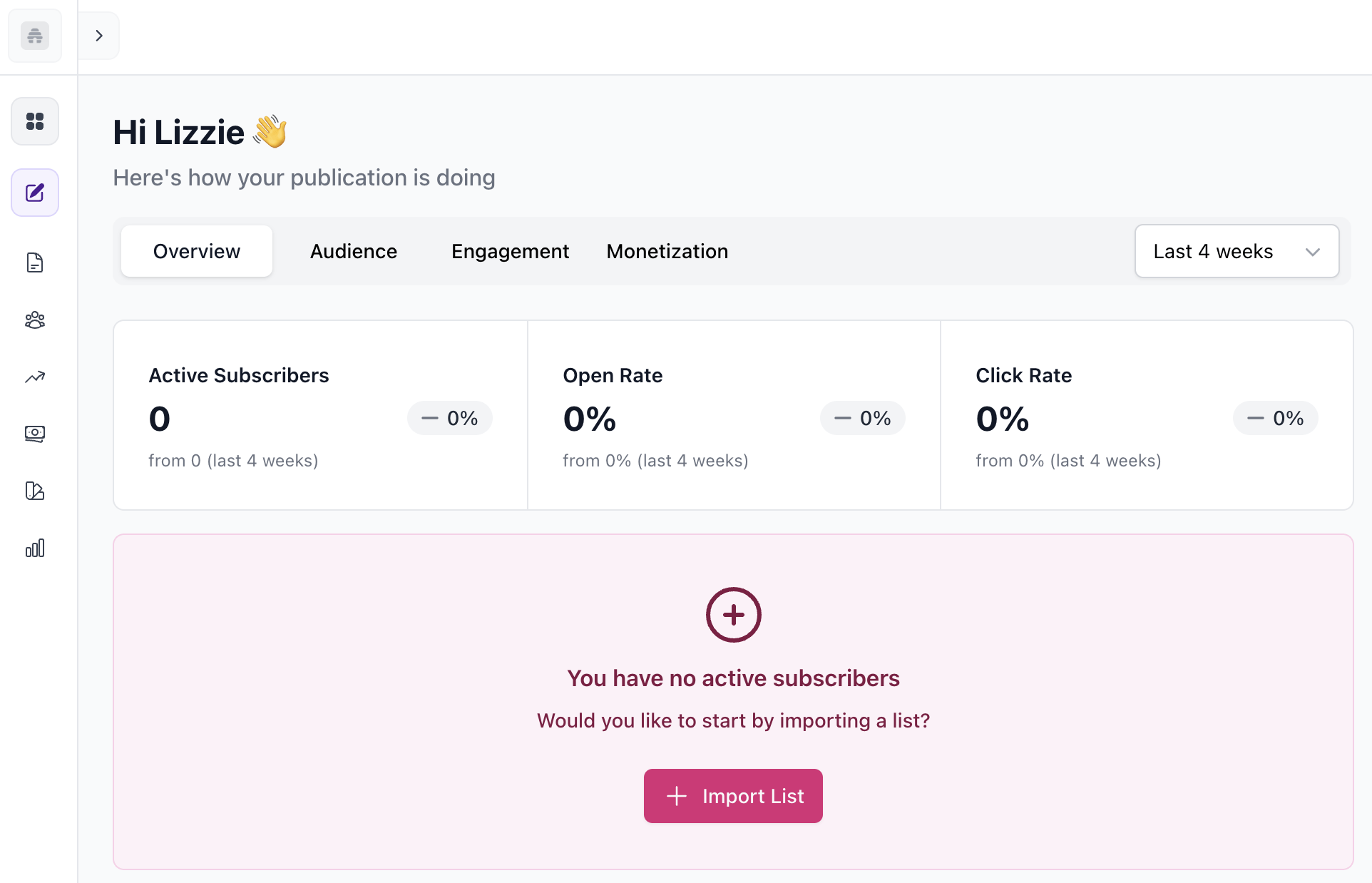
The dashboard itself spotlights the most-used features (newsletter creation, list management, and analytics), all of which can also be found in the main side bar. A nice touch is the “tips” widget that has direct links to features that can help you grow or analyze your list.
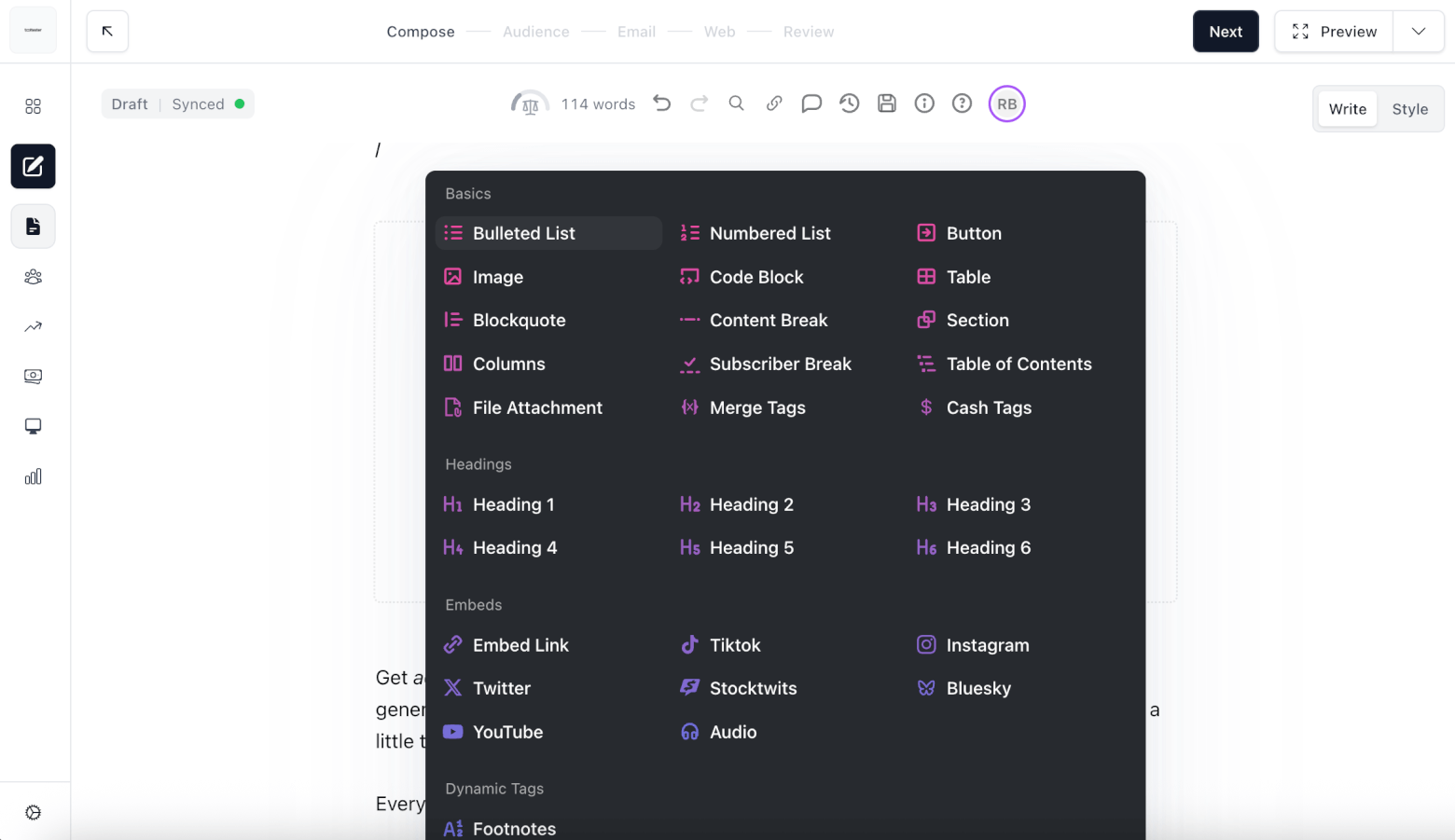
However, getting comfortable with the email editor can take some time, as it's not built like a traditional “What you see is what you get” email editor. When creating a newsletter (or “Post”), you often have to switch between the “Write” and “Style” modes, and it's not always easy to visualize what the final email will look like. And rather than dragging and dropping content blocks in, you have to instead select from a list of options, which again doesn't make for the most intuitive experience:
I find Kit’s dashboard simpler to navigate. It's clean, with features logically organized under goals – “Grow”, “Send”, “Automate”, “Earn” etc. The Kit dashboard is structured around the main pillars—subscribers, broadcasts (emails), and automations.
Like Beehiiv, Kit also has a simple email editor that's mostly text-based, and allows you to add in new content by clicking a “+” button or typing in “/”. You write and format your email content directly — text, links, basic formatting — without needing to code. But it's more visual than Beehiiv's, and there's less jumping around required to get your newsletter looking how you'd like it.
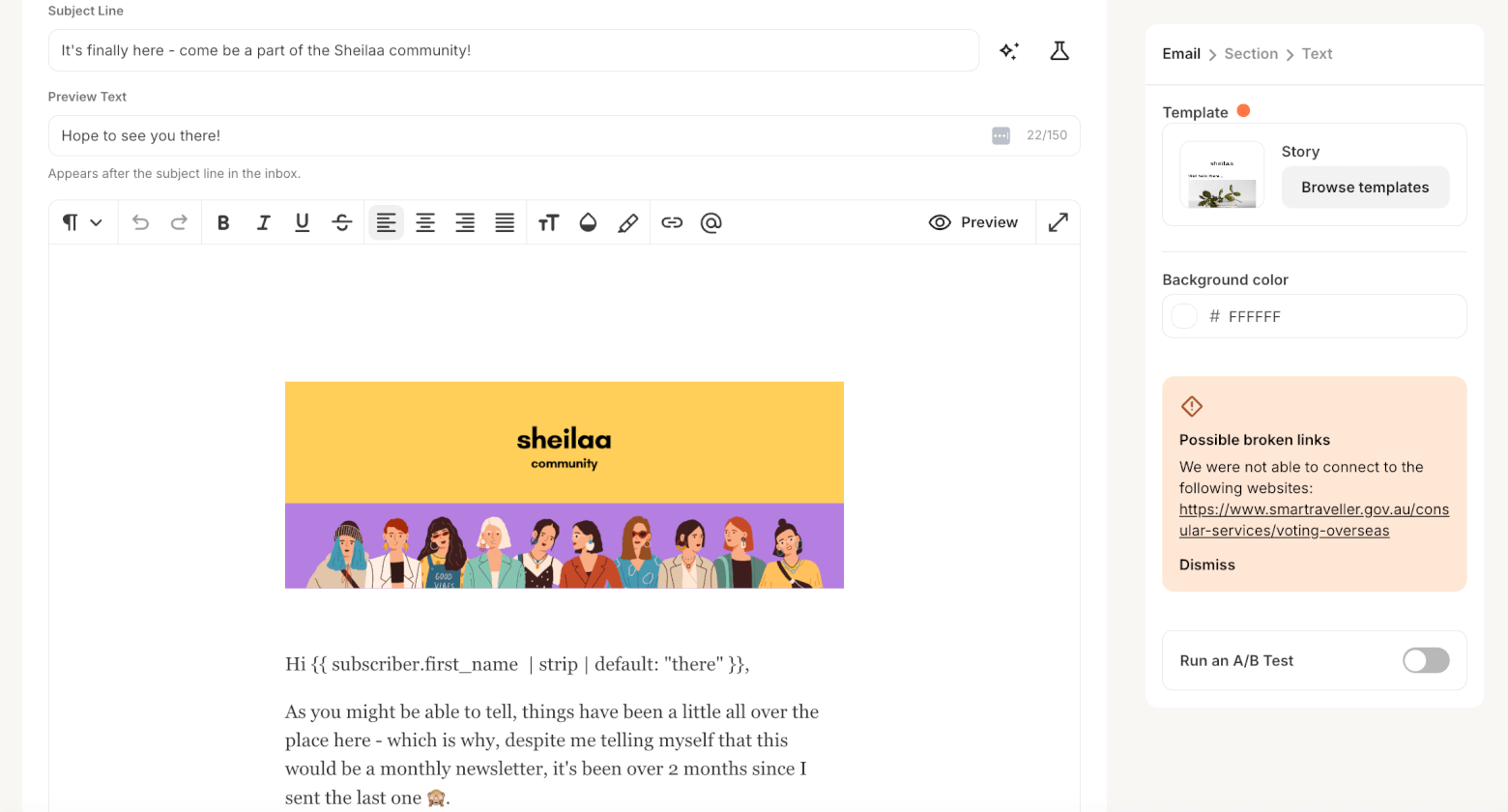
Winner: Both platforms are easy to navigate, but Kit's sleek, modern interface and more intuitive editor definitely give it the edge here.
Beehiiv: 0
Kit: 1
Subscription and Monetization Options
Beehiiv has added several monetization methods to the platform over the past year and it recently bought Swapstack to enhance its existing Ad Network. Users can now connect with and promote sponsors all in one central space. Beehiiv even sends a regular list of potential ad opportunities to users from premium brands that match their audience.
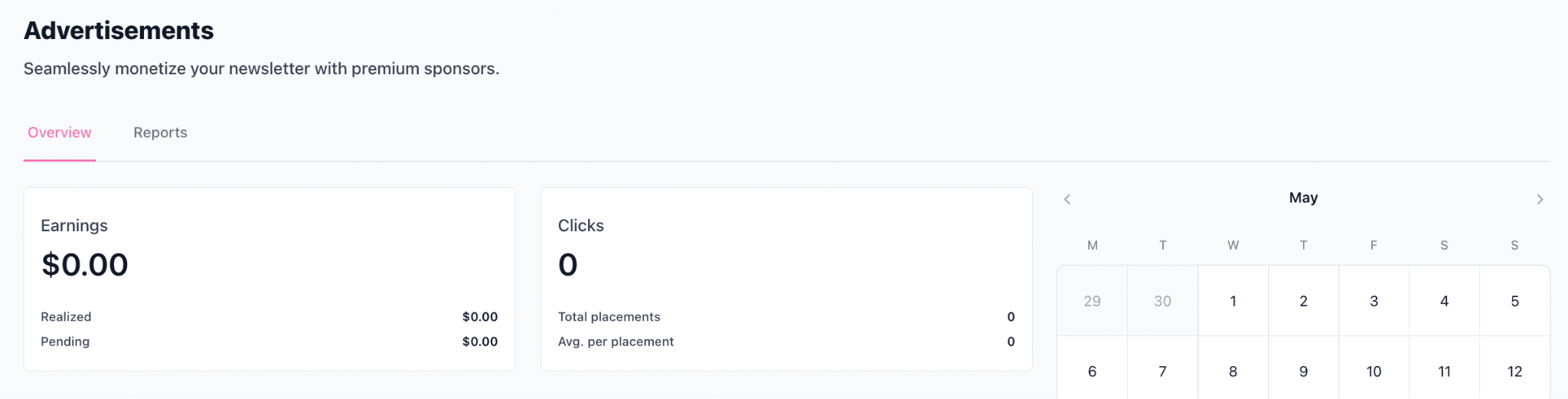
There’s also a boost system, which works like a cross-promotion advertisement. Users basically “apply” for a boost from another newsletter and, once accepted, can share the boost to earn rewards. It offers creators a way to passively earn money by promoting other newsletters — a feature that not many ESPs provide natively. (It also doubles as an excellent way to gain new subscribers if you're willing to pay for it!)
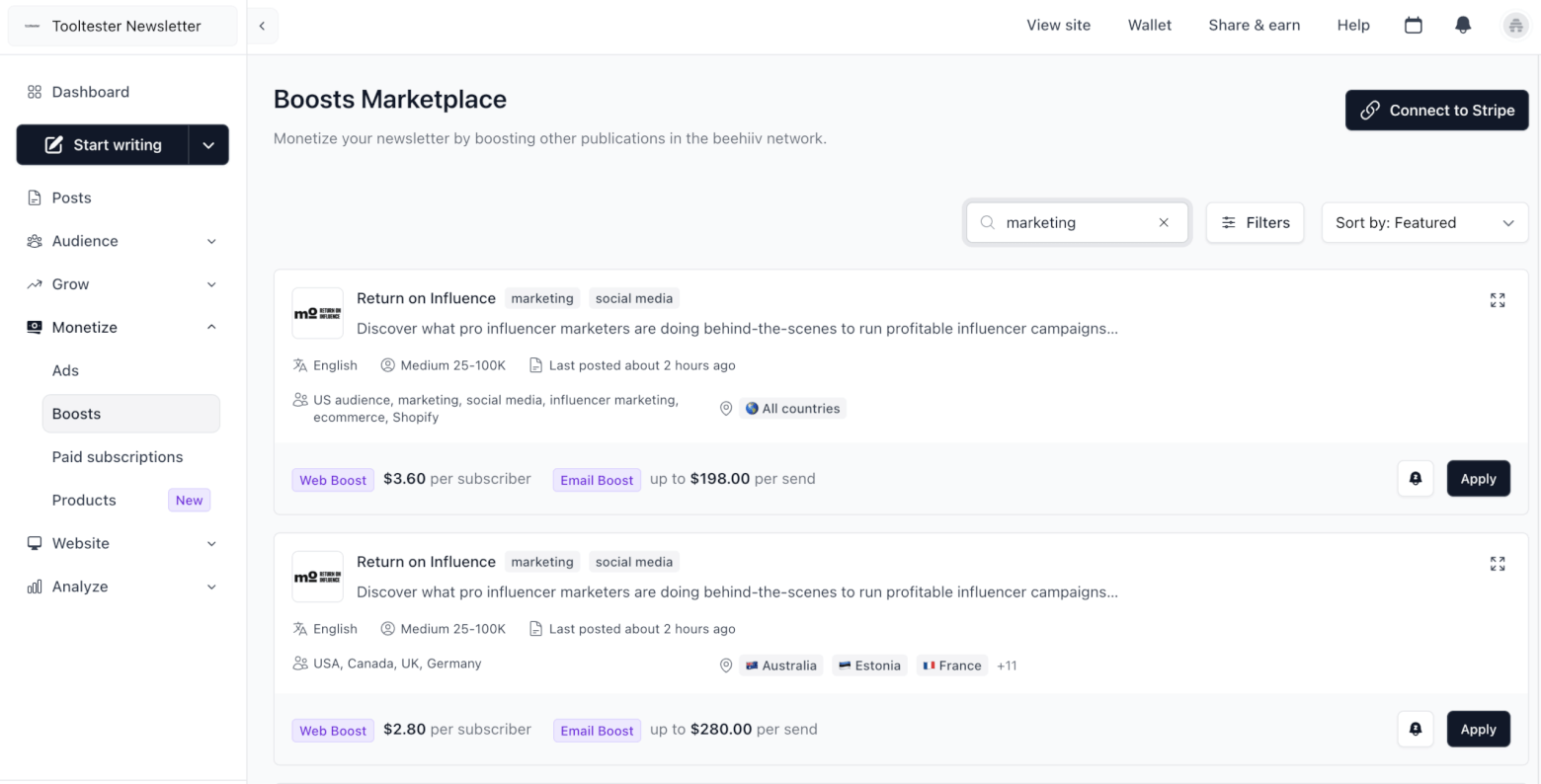
Of course, as a newsletter creator, you're probably most interested in knowing whether or not you can sell subscriptions to your newsletter. The answer is: of course! Beehiiv users can make money through paid newsletters via either monthly or annual plans, which is a great way to earn recurring revenue. But Beehiiv takes it a step further: it also offers a Lifetime Subscription for readers who prefer a one-time payment for unlimited access, and a ‘Pay What You Want' option, catering to readers on a budget.
Not only that – they've recently made it possible for creators to also sell digital products directly through the platform via Stripe.
You can sell ebooks, courses, templates, coaching sessions, and downloads, and don't have to leave the platform to do so.
Finally, an important aspect of Beehiiv is that it doesn't take a cut, allowing you to keep 100% of what you earn through its features.
Kit’s “Earn” tab links to several monetization methods. Firstly, users can also create and sell digital products directly through their Kit account, whether that’s paid newsletters, courses, or digital downloads. Creators can build everything in-app, including product landing pages and checkouts. You can also add a tip jar to your content to encourage subscribers to donate cash if they like what they see.
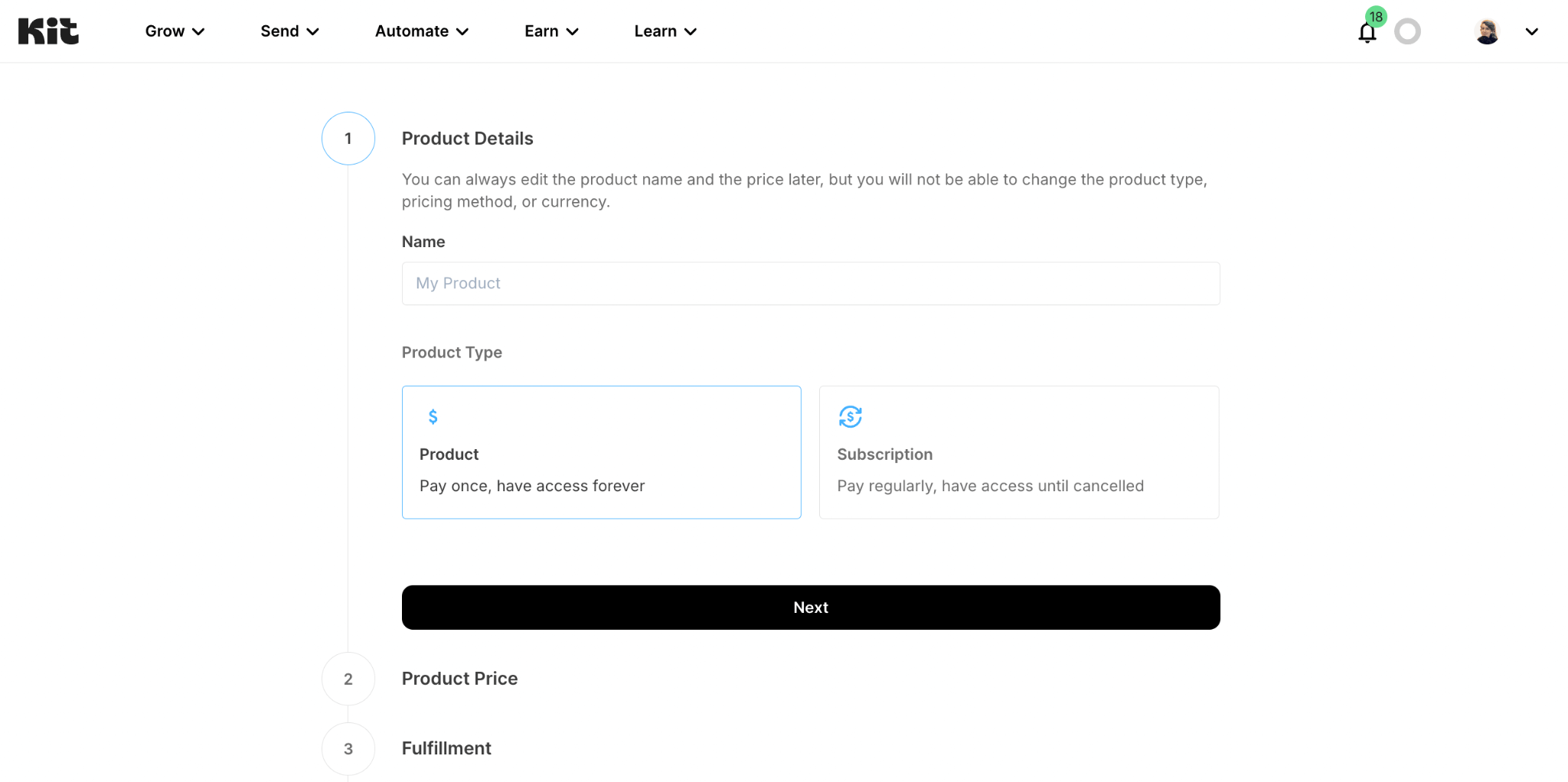
Then there are paid recommendations. Much like Beehiiv’s “Boost” feature, you can recommend fellow Kit creators and get a kickback every time someone signs up using your recommendation link. However, it's not a built-in marketplace like Beehiiv's Boosts – instead, you need to connect which it with SparkLoop, adding a dependency on an external platform.
As a result, Beehiiv’s integrated marketplace tends to provide a smoother, more seamless path to growth and monetization.
Winner: Beehiiv wins this category thanks to its fully integrated and creator-first monetization ecosystem. It combines paid subscriptions, digital product sales, a native ad marketplace, and its Boosts cross-promotion system, all within one platform and without taking a revenue cut. Unlike Kit, which relies on third-party tools like SparkLoop for paid recommendations, Beehiiv keeps growth and monetization in-house, resulting in a smoother and more scalable setup.
Beehiiv: 1
Kit: 1
Community Features and Audience Engagement Tools
Beehiiv was initially built as a newsletter platform and it's clear that its tools heavily lean into audience growth. While it does offer some powerful ways to manage subscribers and deliver content, there aren’t a ton of direct engagement tools beyond email, or likes and comments from readers (which are not enabled by default).
Its standout community-building feature is its built-in referral program, which lets you set up reward tiers, reward subscribers for referring new subscribers, and track referrals via the platform. The paid newsletter feature is more of a business feature than a direct community-building tool, but it does help creators build a community of loyal subscribers.
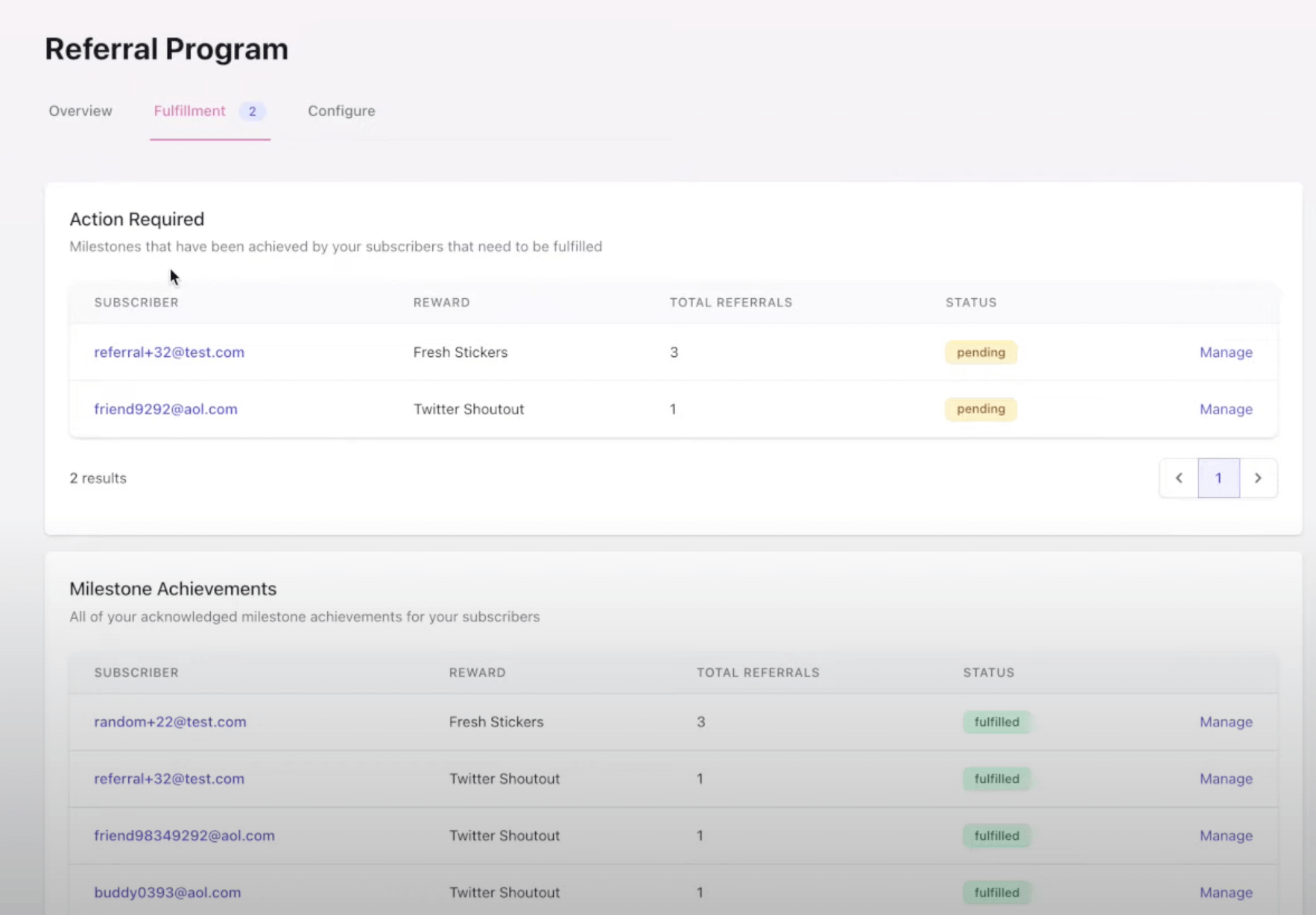
Beehiiv's referral program
In a similar vein, Kit focuses heavily on audience growth and monetization but falls short in the audience engagement arena. Like Beehiiv, it supports paid newsletters and there’s the Creator Network feature where creators can recommend each other’s content and cross-promote to grow their subscriber base.
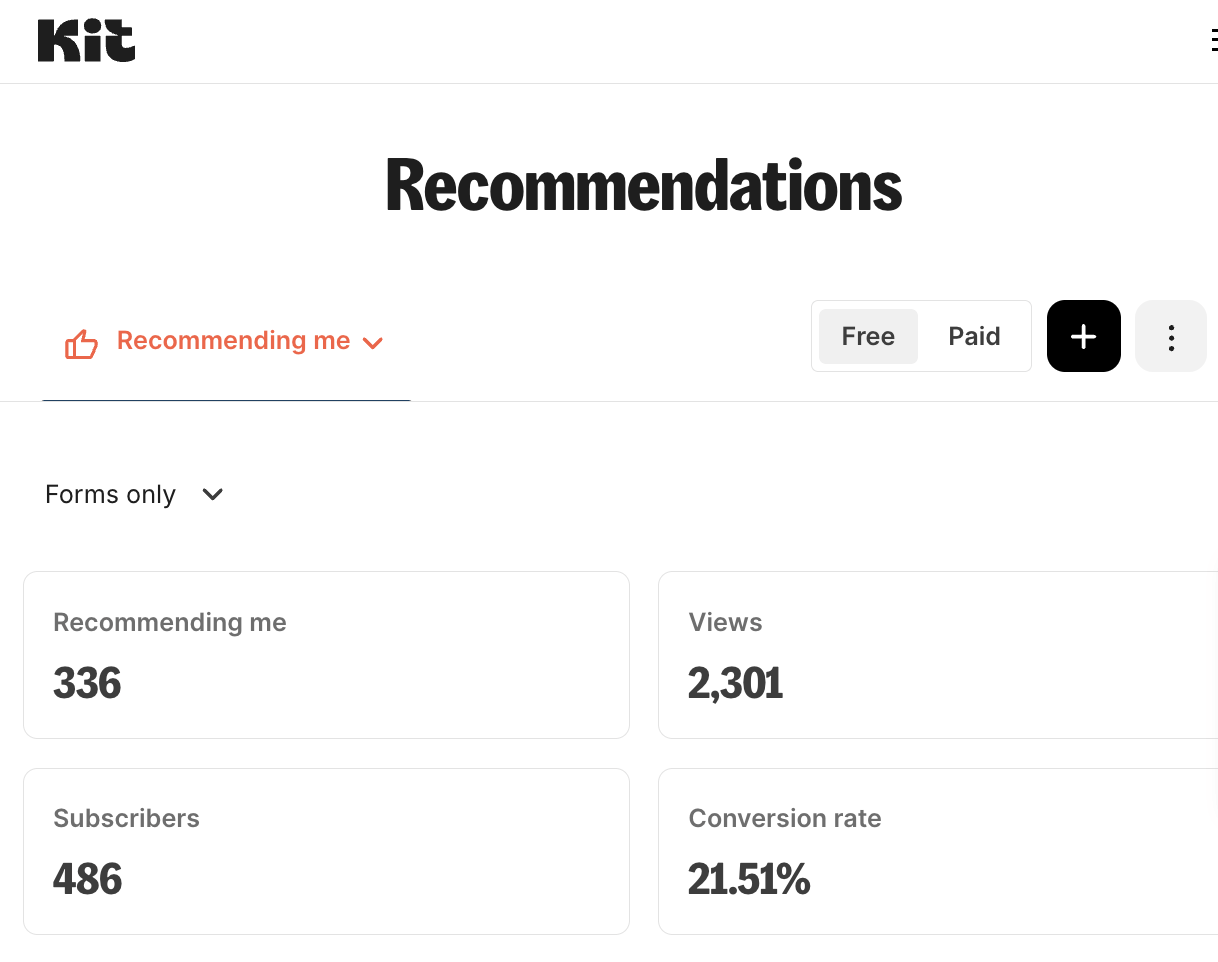
Winner: Kit’s Creator Network is a genius way to lean on other collaborators, but it’s Beehiiv’s built-in referral program that takes the trophy here. There are ways you can reward subscribers for referring new leads in Kit, but this requires adding an extension or integration. With Beehiiv, it’s already built into the product.
Beehiiv: 2
Kit: 1
Design and Flexibility
As I mentioned before, Beehiiv's newsletter editor is basic, proritizing functionality over complex design choices. This is great for users who want to send out content quickly, but a little limiting for those looking to have full control over their newsletter's design.
However, it does offer a handful of pre-designed templates to help you get started. You can also create custom templates from scratch and save them to your dashboard. Then, when you want to send an email, you can choose from your library of pre-made templates.
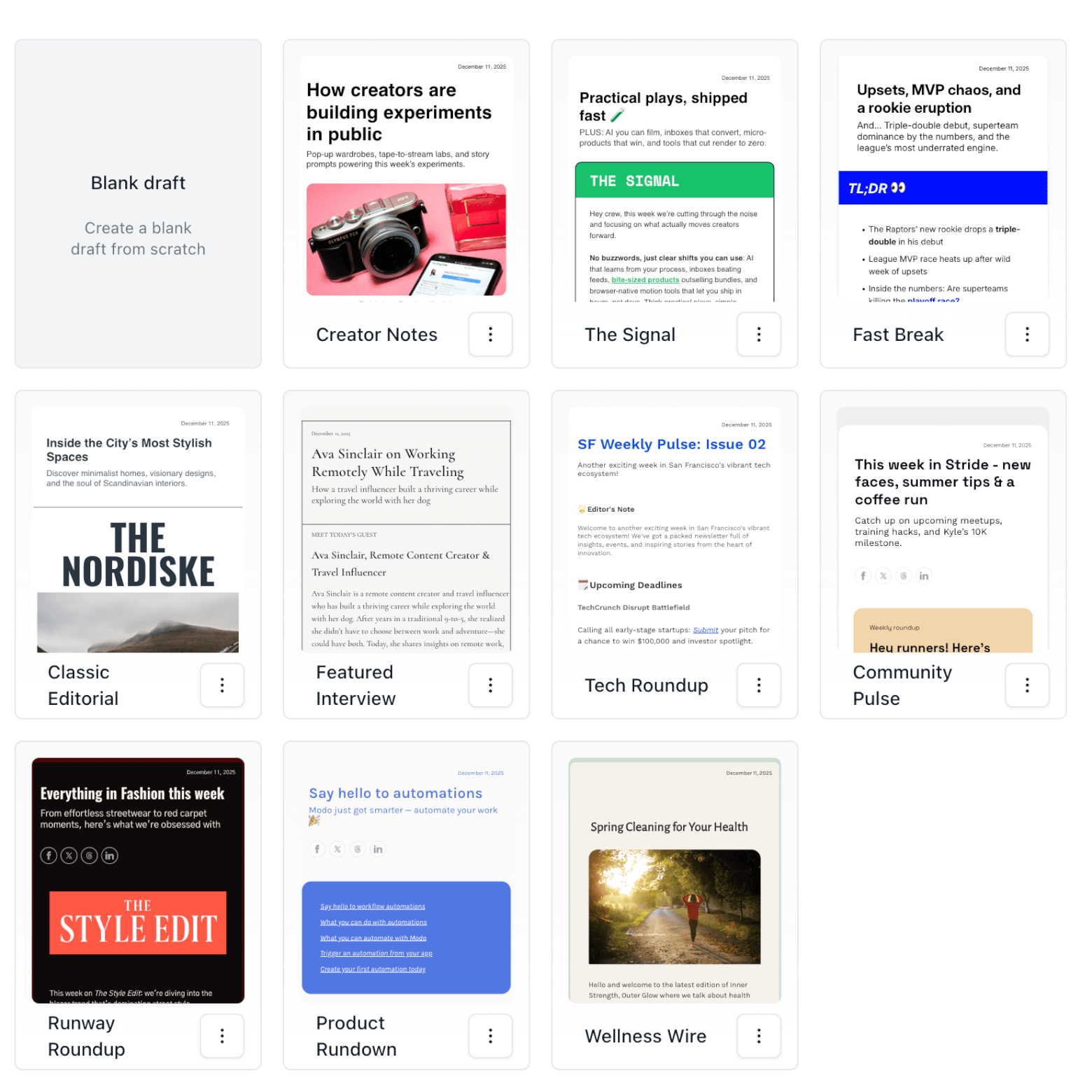
Beehiiv's newsletter templates
Kit’s email editor provides a little more freedom. There’s a simple text-based editor with custom HTML or CSS options for those who want more control. For non-technical users, the drag-and-drop email editor lets you quickly format text, and add images, buttons, and videos.
But you can also choose from a wider range of pre-built templates if you want your emails to look polished and professional. In fact, they recently expanded their range of templates with the launch of a template marketplace where you can download both free and paid designs. Like Beehiiv, you can also create your own templates and save them to your account to use again and again.
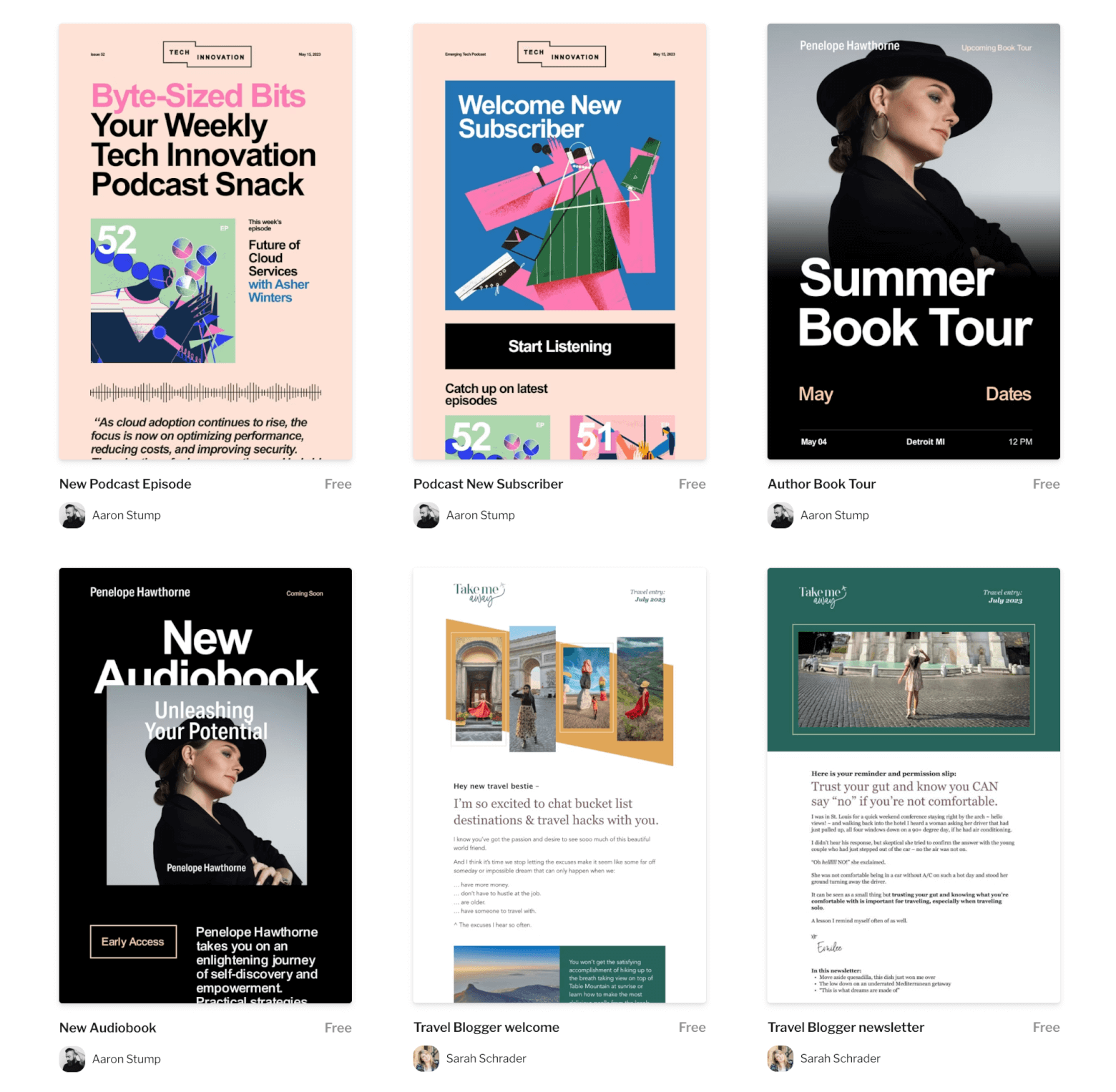
Some of the free templates available in Kit's marketplace
Perhaps an important difference to note here is that Beehiiv offers a native website builder to let you convert your newsletters into a blog or Substack-like news publication. You can select from a range of stylish website templates, customize it to include your branding, and even use their AI chat assistant to tweak the design to your liking. Kit, on the other hand, has a variety of landing page templates but they’re often quite limited in style and design.
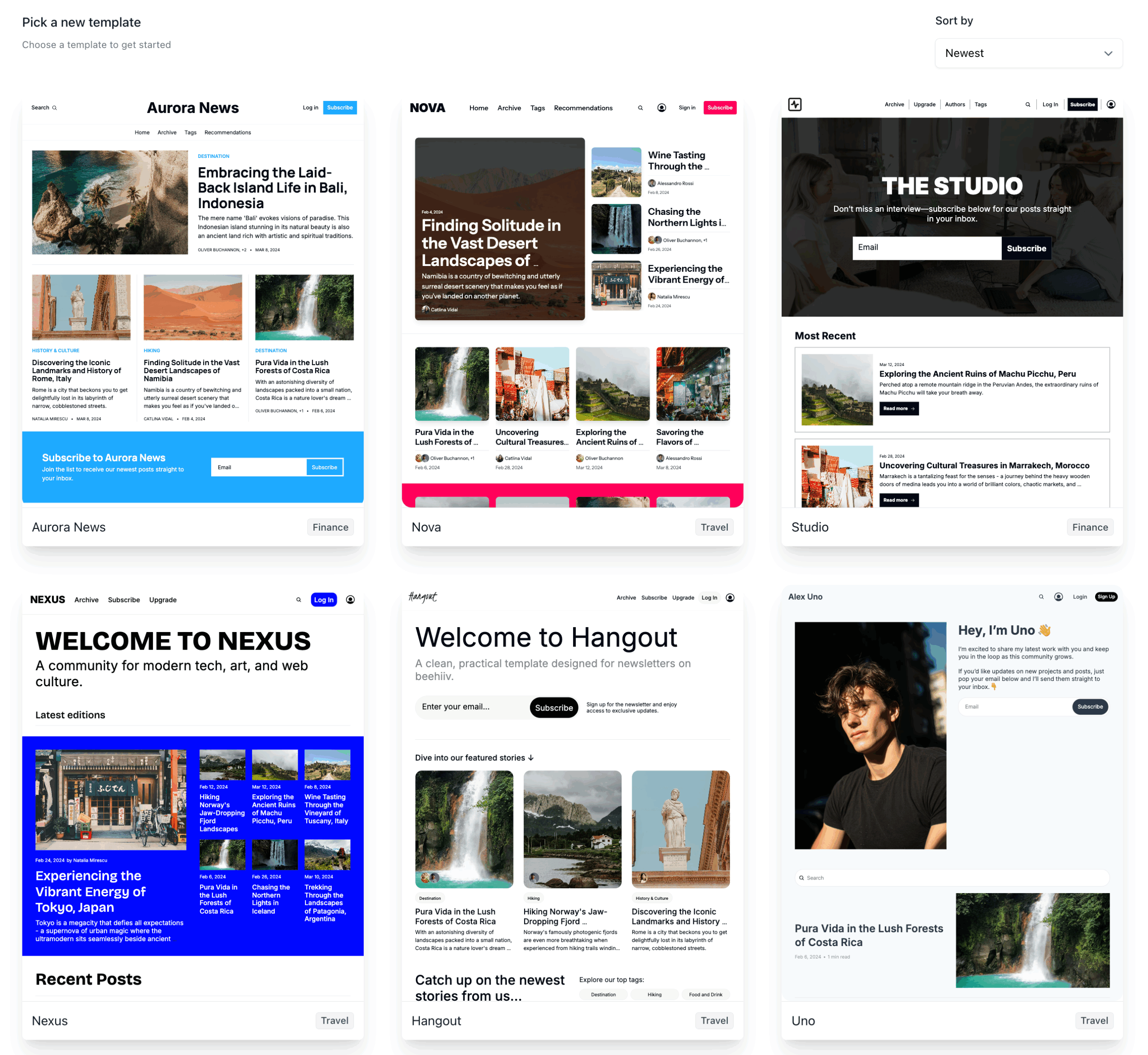
Beehiiv's website templates let you build a home for your newsletter content
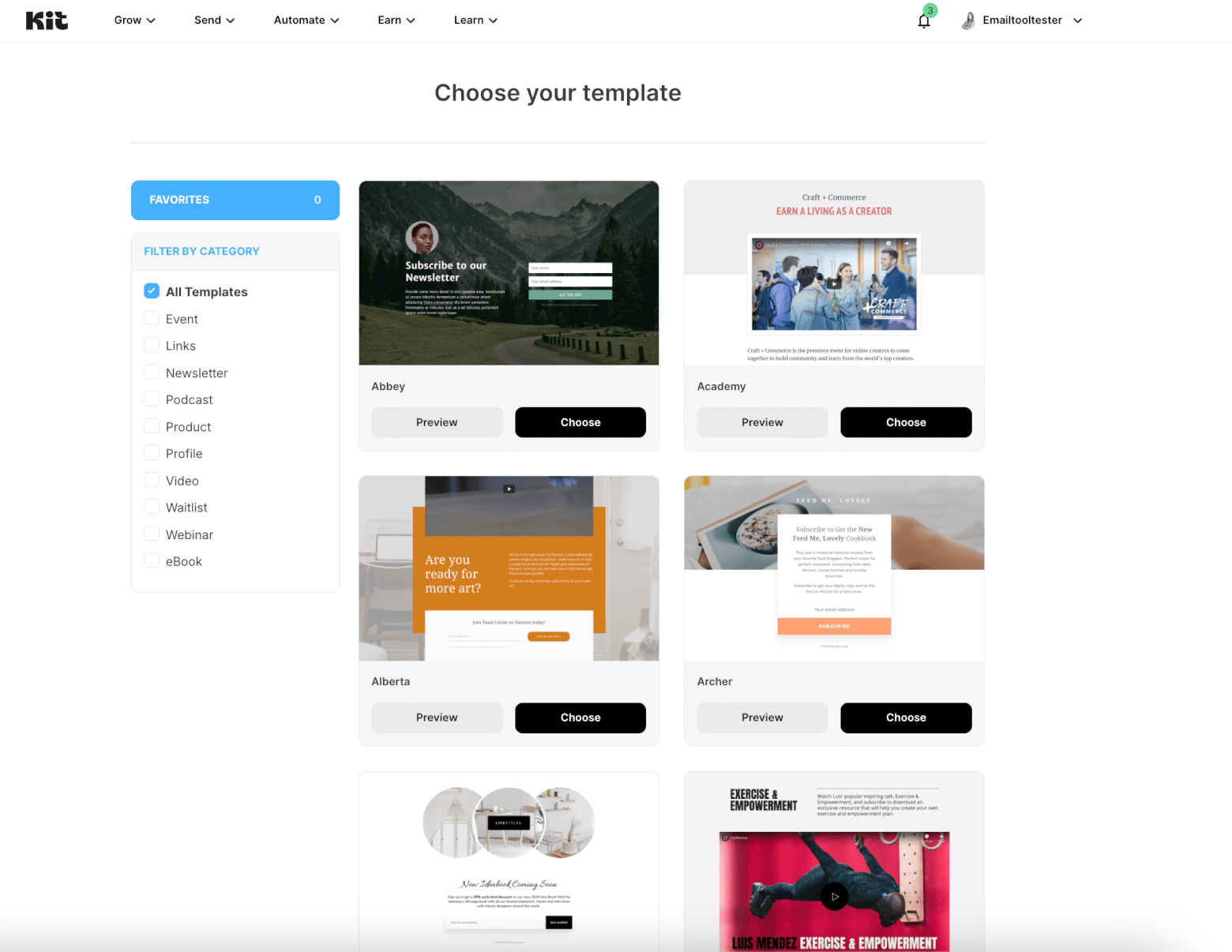
Kit's landing page templates are simpler and less eye-catching
Winner: Both Kit and Beehiiv have pros and cons in this category. Kit’s email templates are ideal for newsletter senders who have little technical know-how, while Beehiiv’s extensive website builder editor can simplify the whole design process. I’m going to say it’s pretty neck-and-neck here.
Beehiiv: 3
Kit: 2
List Management
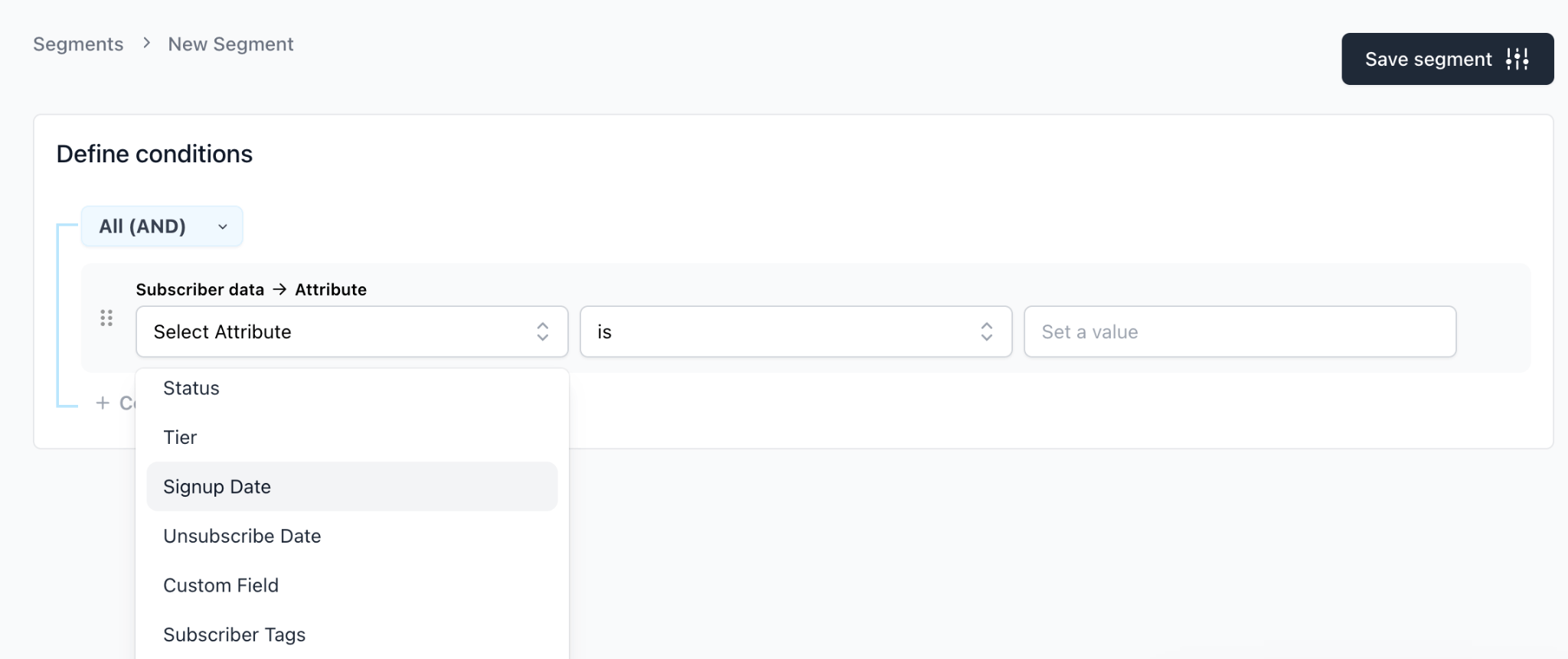
Beehiiv offers powerful list segmentation tools so you can group together subscribers based on when they joined your list, whether they’re paying subscribers, and engagement metrics like open or click-through rates.
You can choose from three types of segments: static, dynamic, and manual. Static segmentation creates a fixed group of subscribers and doesn’t update on its own, whereas dynamic segments continually update based on the conditions you set.
You can also create audience segments for different email campaigns, which is useful if you want to send more targeted content to different parts of your list. While you can apply tags to subscribers (like “new subscriber” or “VIP”), this feature is pretty basic. For example, you can’t set up automated rules based on user behavior (like clicking a link or visiting a certain page).
Kit has an equally powerful tagging and segmentation system.
You can tag subscribers based on actions (like whether they bought a product or subscribed to a specific sequence). This makes it much more versatile than Beehiiv, but it can feel a bit complex for new users. The easiest way to automatically tag subscribers is to set up “rules” for when someone takes a certain action. Kit then applies the appropriate tag to the subscriber or adds them to the correct segment.
The main difference between Beehiiv and Kit when it comes to list management is that Kit makes it a lot easier to import subscribers from other platforms. In fact, they have dedicated importing tools for users moving from platforms like ActiveCampaign, GetResponse, Mailchimp, Drip, and even Beehiiv itself. On top of that, their free migration service also takes care of moving over your subscribers, tags, groups and segments. Beehiiv doesn't offer this kind of support with migrating subscribers over from other platforms.
Winner: Both Beehiiv and Kit’s segmentation capabilities are pretty powerful. You have complete freedom to create really complex segments that automatically update, as well as the ability to upload your own segments. But Kit goes the extra mile when it comes to helping you import existing subscribers – so this round goes to them.
Beehiiv: 4
Kit: 4
Marketing automation
Beehiiv has really upped the ante with its automation features over the past year. If you’d have asked me a few months ago who won this category, it would have hands-down been Kit, but Beehiiv has come into its own.
Now, Beehiiv lets you create visual automation flows using a drag-and-drop workflow builder. You can add steps, time delays, and conditional branches to create highly tailored journeys for each customer. Plus, the trigger feature lets you trigger automated flows based on actions a subscriber has taken, including when and where they signed up, and whether they’ve upgraded to your paid newsletter.
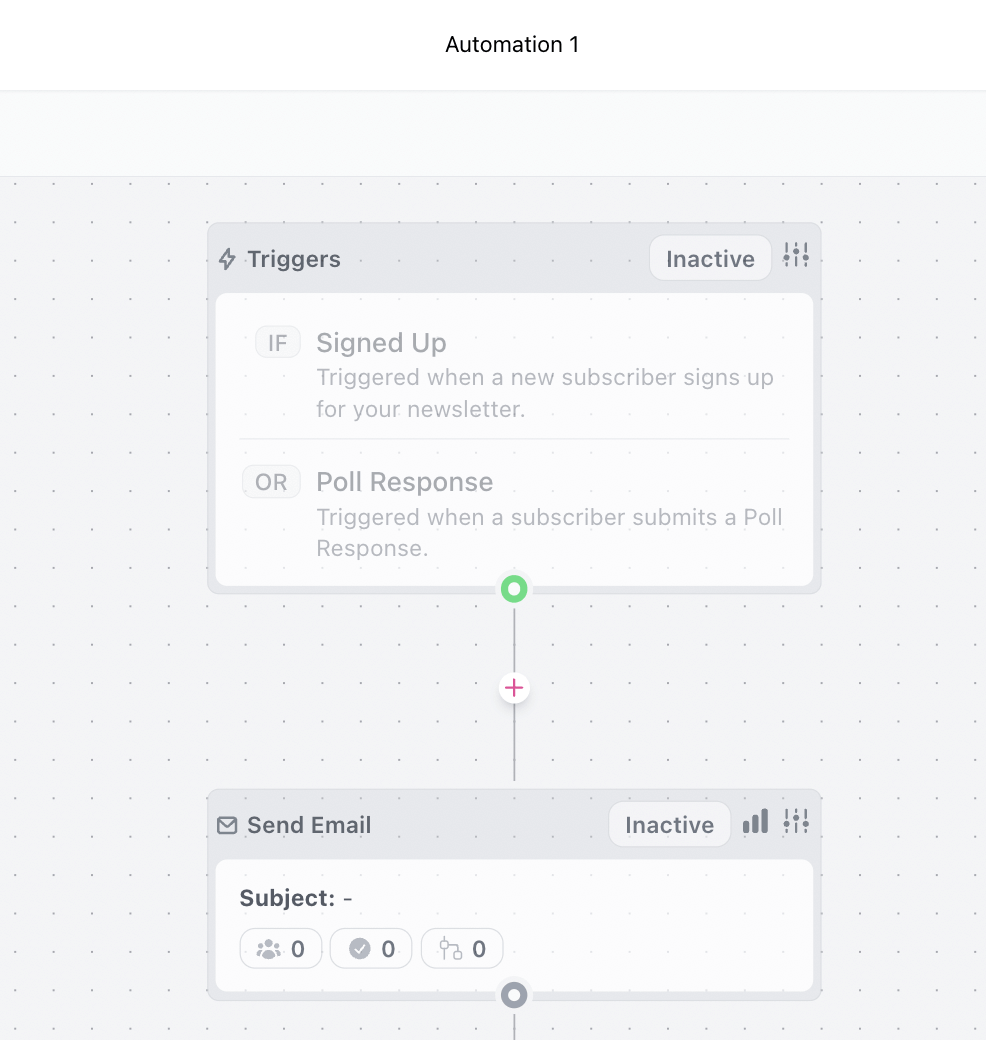
There's even an Automation Library with some quick-start workflows such as welcome emails, survey completion reminders, and even re-engagement sequences to help you identify and nurture inactive subscribers (or remove them if they don't re-engage).
Kit offers a similar level of automation, with an even wider library of templates to get started (including upsell sequences and abandoned cart campaigns). You can create advanced workflows in the visual editor. These can be based on a wide range of triggers, including purchases, website visits, link clicks, and more. You can also set up complex automation chains, including conditional paths (e.g. “if/then” conditions).
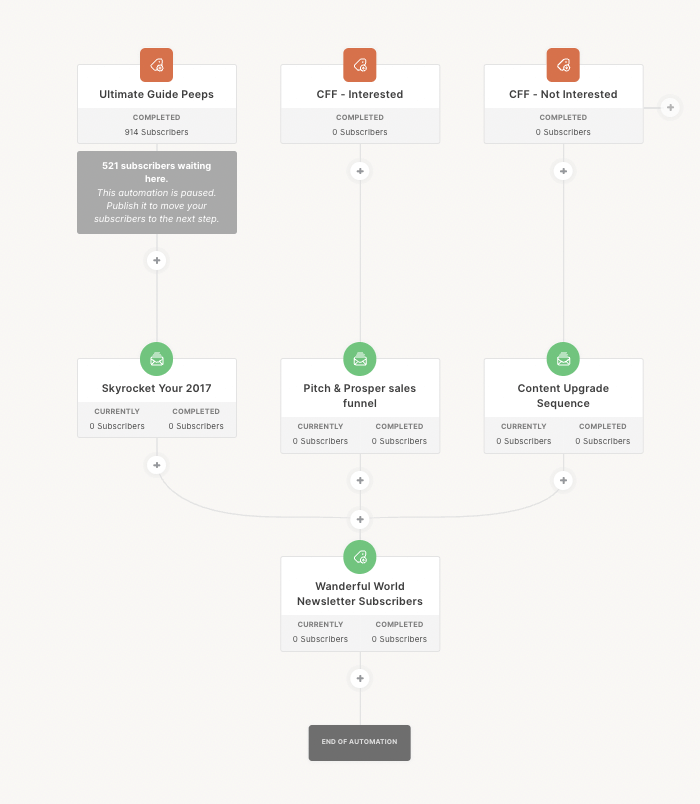
There’s also the “Rules” feature in Kit that lets you set up manual triggers for different actions. These can be mapped to existing automated workflows.
Winner: Beehiiv's recent upgrades to its automation capabilities mean that this is becoming a tricky category to judge, but based on Kit's wider range of automation templates, and its “Rules” feature (which simplifies automations), I’m going to give this round to Kit.
Beehiiv: 4
Kit: 5
Reporting
Beehiiv has really nailed it with reporting. You can track the activity of each individual newsletter subscriber, including how they found you and what emails they engage with the most.
When you log in to Beehiiv, the first thing you see is a snapshot of your performance. You can instantly see key metrics, including total subscribers, new subscribers (broken down over specific time frames), churn rate, open rates, and click-through rates. You can then drill down into specific email campaign results, like unsubscribe rates, bounce rates, spam complaints, and results from any A/B testing.

The cool thing about Beehiiv is it also offers detailed engagement metrics so you can see how your audience interacts with your emails. It provides a handy visual breakdown of which links received the most clicks, how many of your subscribers actively engage with your emails versus those that are inactive, and subscriber growth metrics, including source tracking so you can see exactly where each subscriber came from.
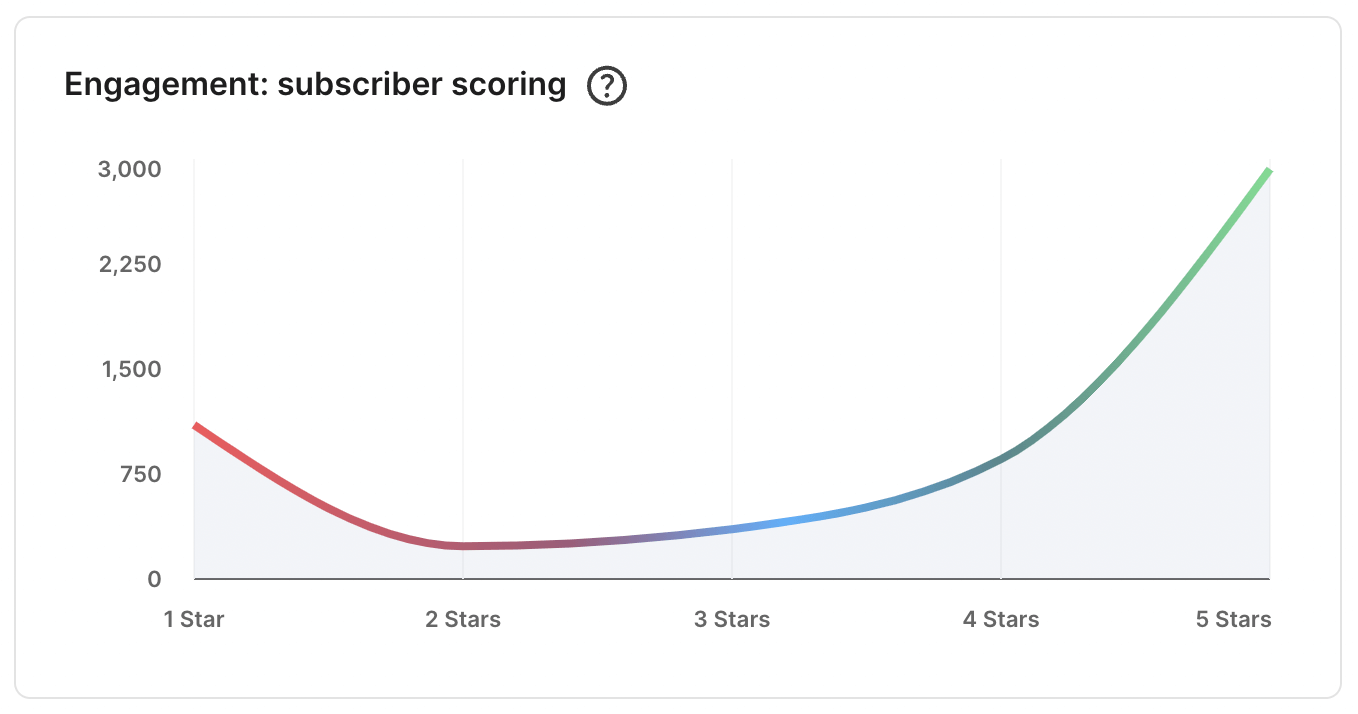
Kit’s reporting is equally as detailed.
You can get percentage scores for individual email sequences, see an overview of each email’s performance, and drill down into subscriber metrics on a granular level. The subscriber scoring dashboard is a fun way to see the number of subscribers who have engaged with your emails over a certain timeframe and the ability to track how engaged individual subscribers are with each email is a nice touch.
Winner: Beehiiv has come a long way with its reporting—so much so that it’s now on par, if not better, than Kit, which has some powerful analysis capabilities. Beehiiv wins this round, though, with its detailed source tracking.
Beehiiv: 5
Kit: 5
Deliverability
Email Deliverability is an important topic; if your emails don't make it to the inbox, even the best content won't have an impact. That's why we consider this important factor when evaluating platforms.
We assess tools like bounce management, authentication, and list hygiene, which are essential for protecting your sender reputation and keeping emails out of the spam folder.
Here’s how Beehiiv and Kit compare when it comes to deliverability:
| Star Rating | Comment | |
|---|---|---|
| Kit |  |
Kit offers a well-rounded deliverability setup: proper authentication enforcement, FBL (feedback loop) access, list hygiene tools, and IP warmup guidance. The only thing missing is a dedicated dashboard or sender score. |
| Beehiiv |  |
Beehiiv supports key deliverability functions like bounce suppression, authentication help, built-in list cleaning, and IP warmup support. But it lacks FBL access, and a dashboard to monitor sender health or sender score. |
Winner: Both platforms are strong options, especially for newsletter creators, but Kit takes the lead with a more complete deliverability toolkit, including access to FBL data. Beehiiv does a solid job on the fundamentals, but Kit edges ahead by half a point.
Beehiiv: 5
Kit: 6
Pricing and Fees
Both Beehiiv and Kit offer a free plan for those who just want access to the basic features. Beehiiv lets you have up to 2,500 subscribers and access to all its audience growth features, including custom websites, newsletter creation, analytics, tagging, and segmentation. What you don’t get is the monetization features—notably the referral program and built-in ads network—or automations, which is a huge disadvantage compared to other free plans.
When you reach 2,500 subscribers (or if you want access to monetization features and automations), you’ll need to move to the Scale plan. Prices are as follows:
- Up to 2,500 subscribers: $69 a month
- Up to 5,000 subscribers: $89 a month
- Up to 10,000 subscribers: $109 a month
- Up to 25,000 subscribers: $169 a month
There are also Max and Enterprise plans that remove the Beehiiv branding and give users access to the platform's Newsletter XP course.
Kit’s free plan (Newsletter) is slightly better for new creators in that it lets you have up to 10,000 subscribers before you have to pay. With this plan, you’re limited to one basic visual automation and one email sequence, but you do get unlimited landing pages and opt-in forms, tagging and segmentation, paid newsletters, and the ability to sell digital products.
If you want more automations or access to the platform’s Creator Network, you need to upgrade to the Creator plan. Prices are as follows:
- Up to 1,000 subscribers: $39 a month
- Up to 5,000 subscribers: $89 a month
- Up to 10,000 subscribers: $139 a month
- Up to 25,000 subscribers: $199 a month
There’s also a Pro plan that gives you everything in the Creator plan plus Facebook custom audiences, a newsletter referral system, and 24/7 priority support.
The winner: Kit’s free plan lets you have more subscribers and is generally cheaper for smaller lists. But once you start dealing with much larger list sizes (10,000+ subscribers), it becomes more cost-effective to use Beehiiv. So, this round's a draw!
Beehiiv: 6
Kit: 7
Extras
Beehiiv was designed with newsletter creators in mind and still brands itself as “the newsletter platform built for growth”, but with its 2025 Winter Release, it’s rapidly evolving into a full creator ecosystem rather than just an email tool. The platform now includes an AI‑powered website builder that lets you launch branded sites in minutes without code or a separate CMS, unifying your newsletter, site, products, and content all under a single roof.
Another major step forward is Beehiiv’s native podcast support. You can host your show, sync episodes automatically, and present it alongside your newsletter and other content on your own website.
When it comes to integrations, Kit is by far superior, offering over 100 direct integrations with tools like landing page builders, forms, e‑commerce platforms, membership systems, and more. Beehiiv, in contrast, still primarily relies on Zapier to connect with other apps.
I’m also a big fan of Kit’s “link triggers”, which let you trigger certain actions when a subscriber clicks a link in an email—e.g. you can tag them or enroll them in an email sequence. Beehiiv has strengthened its automation suite too, but Kit’s link triggers and deep integrations still feel more polished for now.
Winner: This one’s a draw. Beehiiv shines with the addition of its website builder and podcast integrations, making it a great choice for creators who want everything in one place. However, Kit still leads when it comes to integrations and automation. With over 100 direct integrations and advanced features like link triggers, Kit offers a more connected and flexible ecosystem for creators. Both platforms have their strengths, so it really depends on what matters most to you—Beehiiv’s all-in-one approach or Kit’s superior integrations and automation.
Beehiiv: 7
Kit: 8
Who is the winner?
As you can see, it’s not a clear-cut win for either platform, with Kit just narrowly finishing one point ahead. And honestly, that makes sense. Both tools cater exceptionally well to creators, but they approach things in slightly different ways.
Beehiiv shines with its clean interface, built-in referral system, and rapid feature development geared specifically toward newsletter growth. It’s a joy to use, especially if your main focus is writing and scaling a newsletter without getting bogged down in complex workflows.
Kit, on the other hand, offers a more comprehensive creator toolkit. If you’re selling digital products, building advanced automations, or want direct integrations with other platforms, Kit gives you that extra flexibility.
In the end, your choice depends on where you are in your journey:
-
Want a modern, email-first experience with growth baked in? Beehiiv is an excellent pick.
-
Need more depth and control across your entire creator business? Kit is likely the better fit.
The authors
Learn more about us

We keep our content up to date
11 Dec 2025: General updates
25 July 2025: Added deliverability section
15 Jan 2024: Updates to free plan inclusions
Our Methodology
This article has been written and researched following our EmailTooltester methodology.
Our Methodology